Brilliant Minds, Fading Endings: Communication Mistakes Attorneys Make
The attorneys I work with are some of the most brilliant people I’ve ever met. The breadth of knowledge they carry—and the way they maneuver through complex legal arguments—is genuinely impressive. Their brains are firing on all cylinders.
But that brilliance can create an unexpected problem.
Because you’re often not just one step ahead of opposing counsel—but ten—your brain sometimes moves on before your mouth finishes the thought.
And it shows up most clearly at the ends of sentences.
Without even realizing it, you might have developed a communication habit that is quietly eroding your clarity, credibility, and authority in the courtroom.
When Sentences Fade, Authority Fades With Them
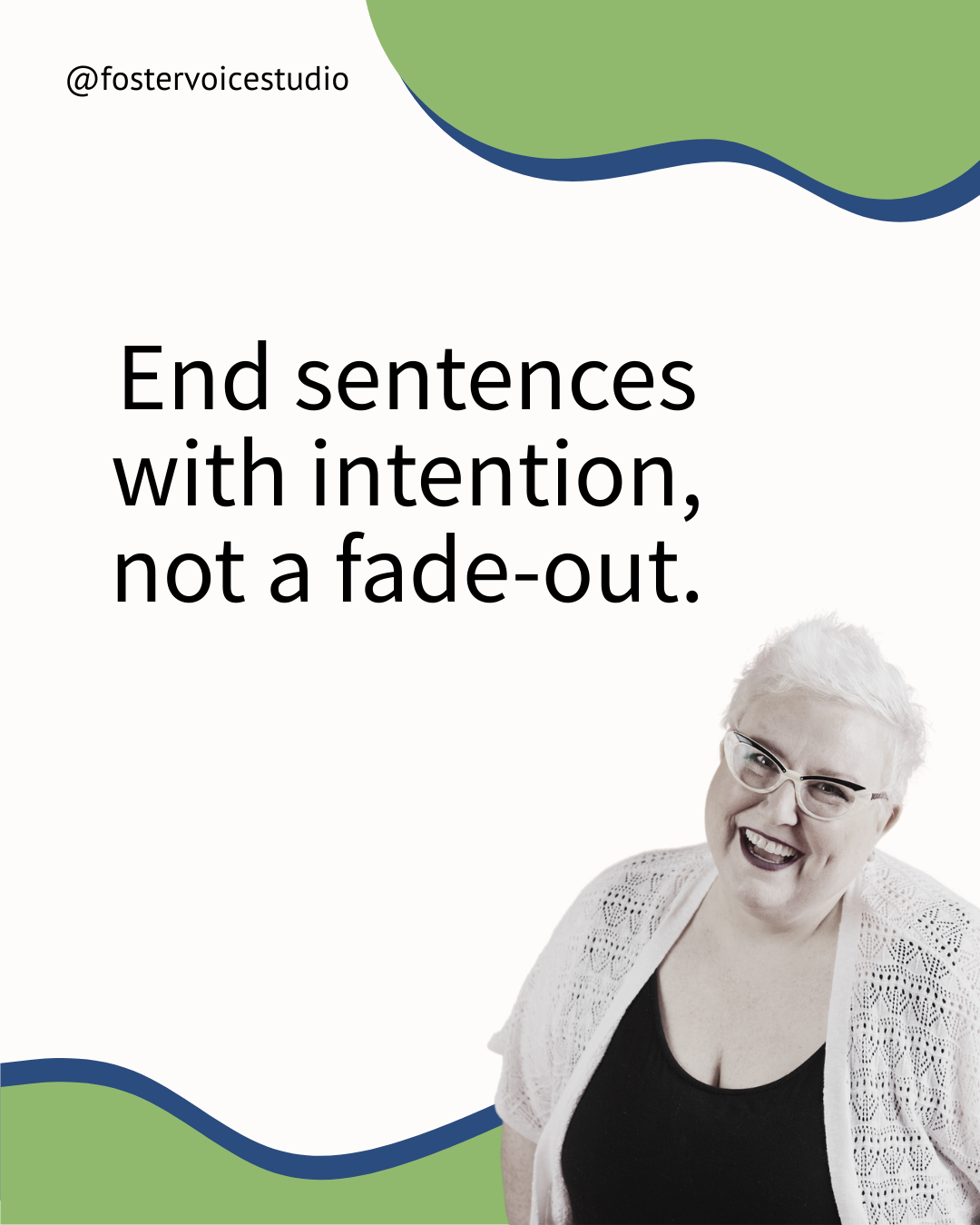
I see this pattern constantly: sentences trail off. Endings lose energy. The thought just… disappears.
I understand why it happens.
But here’s the thing—jurors don’t experience it as brilliance.
They experience it as uncertainty.
And the court reporter who has to ask you to repeat yourself or speak up? They’re not thinking, Ah yes, this attorney’s intellect is simply moving too fast.
Unintentional fade-outs undermine:
-
your presence
-
your trustworthiness
-
and your perceived authority
Especially for jurors who are still deciding whether they can trust you.
The Good News: This Is Completely Fixable
The first step is awareness. You have to notice it in the moment and make a conscious choice to correct it.
When I bring this to a client’s attention and they successfully fix it, I almost always stop and ask:
“What did you do differently?”
Nine times out of ten, they say:
“I slowed down.”
Yes. Exactly.
Why Speed Works Against You
Most attorneys are already speaking too fast.
Your body thinks it needs to move quickly to stay safe—or to make sure all the information gets out. But that faster pace drives higher, faster breathing, which activates your sympathetic nervous system.
Once that system revs up:
-
your fight-or-flight response kicks in
-
your brain prioritizes speed over precision
-
and your mouth simply can’t keep up
Your brain races ahead, and the muscles responsible for articulation lag behind.
Think about it: if you were being chased, that would not be the moment for a nuanced philosophical discussion. Your brain and your mouth would be operating on completely different agendas.
That’s exactly what’s happening here.
Slowing Down Doesn’t Make You Less Sharp
When you slow your pace intentionally, your brain doesn’t get dull.
It gets integrated.
Your mind re-joins the rest of your system instead of sprinting ahead of it. That alignment is what projects:
-
presence
-
authenticity
-
leadership
You don’t lose authority by slowing down.
You gain it.
Pacing and Pausing: The Real Work
This all comes down to pacing and pausing.
You need a slower pace so your brain can stay connected to your breath, your voice, and your body.
Your jury needs a slower pace so they can process information in real time.
When you pause:
-
you breathe
-
you refuel
-
and you finish your thoughts with vocal strength
Clean vocal endings signal confidence. They tell jurors you are in control of the narrative.
And while you’re pausing, jurors aren’t idle. Their brains are working—reflecting, integrating, connecting, and anchoring what you’ve just said.
Everyone benefits.
Finish Your Sentences. Every Time.
If this pacing and pausing work is resonating with you, I have a free Pace & Pause Guide that walks you through how to slow your delivery without losing authority or momentum.
It includes simple awareness cues and practical exercises you can use immediately:
-
in preparation
-
in the courtroom
-
or in everyday conversations
Commit to a slower pace.
Use intentional pauses.
And finish your sentences—every single time.
Until next week, keep fostering your voice.
LET'S STAY CONNECTED
You’re already speaking. Let’s make it count.
Get one smart, time-saving vocal tip each Tuesday to help jurors learn faster, retain more, and stay connected — so your message lands the first time.
You're safe with me. I'll never spam you or sell your contact info.